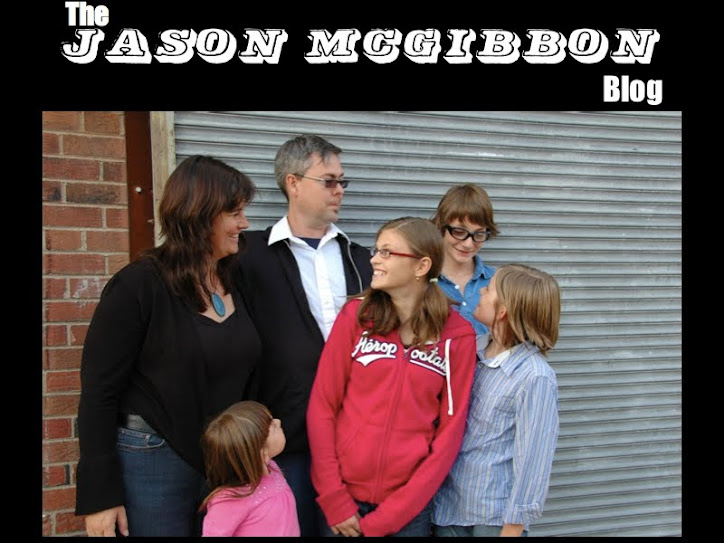
Ok, so it may not be art exactly, and it is not free but I am excited and wanted to be able to share. I am proud to announce that my wife is now a published author!
Kimberley had been asked to contribute to a women's devotional book that features contributions by ministry wives. It was first introduced at a ministry wives luncheon at the Southern Baptist Convention this month.
The book is entitled The Hidden Person of The Heart and was edited by Janet Wicker.
You can read about the book at the link below:
The Hidden Person of The Heart
Friday, June 29, 2012


Thursday, June 28, 2012
Thoughts about Prayer
Prayer is one of those things that I have a real desire to do well. It is also one of the spiritual disciplines that I feel comes least naturally to me. I realize that if there is one universal key to a deep and meaningful prayer life it is - pray. You just have to do it. But beyond that I am always happy to come across some helpful thoughts about deepening one's prayer life.
Recently, I have been reading Read the Bible for Life By George H. Guthrie (and this will be the last thought I post form the book - I promise). There is a discussion with Donald S. Whitney about reading the bible for personal devotion. I appreciated the attention to balancing reading scripture for the big picture story, meditating on scripture and praying scripture.
Recently, I have been reading Read the Bible for Life By George H. Guthrie (and this will be the last thought I post form the book - I promise). There is a discussion with Donald S. Whitney about reading the bible for personal devotion. I appreciated the attention to balancing reading scripture for the big picture story, meditating on scripture and praying scripture.
When we pray, we can pray through a passage of Scripture. After reading a chapter or several chapters in your Bible reading, go back and pick one verse, perhaps a verse that stood out to you. Or you can pick a verse or passage you beleive is a theme verse or a key passage in the section you have just read. Then pause over that verse and pray through it.
The chapter provides many insights into the importance of reading the big picture, explains meditation and gives practical examples of meditation and how to pray scripture.
If you are looking for other resources for prayer I have also been reading The Hidden Life of Prayer by David McIntyre. It is a little less accesible as the language is a bit older, but there are many helpful insights as well. You can also follow along with others as they read it together as it is the most recent book in the series "Reading Classics Together" over at Tim Challies blog. Below is a link to the first post, and they have been doing a chapter a week since then:
Wednesday, June 27, 2012
Denominations
In case you did not have a chance to read yesterday's post, I ended with the following thoughts:
There has been discussion about the need and usefulness of denominations lately (more on that in tomorrow's post) and many of the observations I agree with. I truly believe in a Kingdom of God agenda rather than a tribalism mentality. That being said, however, I look at all the support that has been key to starting and maintaining our work in these early days and I recognize how significantly God has provided through our denomination. We have experienced just how significant it can be when there is a collection of individuals and churches, as diverse as we are, who agree on basic tenets of the faith and importantly on God's mission for his church. When there is such a group, with such a common cause, who then agree to co-operate together, I believe that God is honoured and great things can happen for His Kingdom and His fame.
The discussions of denominations that I was referring to was discussion around a recent Huffington Post on-line article entitled "Do Christian Denominations have a Future?" You can read it by following the link below.
Huffington Post - Christian Denominations
The article raises some great questions for discussion and makes some important observations for the church as it moves forward, especially here in Canada. In particular, the observations that denominations are really confusing in a post-christian world is a very poignant point, as we consider how it is that our culture sees and understands the church. I would agree as well, that theological differences across many denominations are quite minor which may then play into the articles first point about how confusing denominations may be. I am, however, quite aware that as I consider churches across my area, that there are denominations with quite significant theological differences. It is here that I begin to diverge a bit from the observations being put forth. When we begin to diverge on matters of sin, Jesus, His divinity, His atoneing sacrificial death, His resurrection, and the authority of scripture we are no longer talking about minor theological differences. These are foundational issues that shape who we are and what we do. They also lead to our understanding and emphasis on Mission which is the arguement put forward by the author which I have found myself questioning the most.
Firstly, without a common theological understanding of the biblicial story there will be no common understanding of Mission. Simply put, there are churches around me who don't believe in the need for salvation, in what Jesus has done for us through the cross and the need to share that with the world around us. We can not assume that we share a common Mission.
Secondly, the article is certainly correct in stating that denominations can create bureaucracies and structure which take resources that could be better spent on Missions. This does not change the fact, however, that Missions take money, they take time, they take energy and they take resources. If we take an honest look the need around the globe, we recognize the size of the task. We have to admit that we can do more together than we can individually and that the need requires joint operations and co-operation. So, at some point and at some level we need to be working together. It is here that I recognize the significant difference between the denomiational structure of the author (Lutheran) and of my context (Baptist). Our denomination functions under the premise of the autonomy of the local church. When done correctly, this means that each congregation is autonomous and makes its own decisions and governs itself, but then chooses to willingly associate with other likeminded congregations in order to co-operate on larger tasks such as missions. It is not perfect, prone to misunderstanding, abuses, and risks about missing the biblical need for community and unity when understood incorrectly, but when it works, it can work well. I think that Missions would be one way that we do well and are continually learning to do better. As I mentioned in my first paragraph above, I have been blessed by this co-operation. I realize this is different than other denominational structures with a more of a top down approach and with many different levels of governance. I am not sure how those denomination do Missions. One could argue that, yes, we need organization and co-operation but not denominationalism. If we are to co-operate and organize it takes some kind of structure, some kind of organization and some kind of common goals and understanding. Any such organization runs the risk of bloated structures, mistakes and waste.
I must say here, that although I have seen the benefits of denominational association that I have also been blessed by another association here in Hamilton called True City. It is a multi-denominational network of churches who have Jesus in common, who are working together for the good of the city. It is not a "denomination" and in fact most churches participating still have their denominational affiliations, but it is a co-operation around some common purposes that serves the churches and the city well.
Denominations are the not only way, nor the be all and end all of church co-operation.
I recognize, that denominational-ism has often been more like tribalism. We create us and them camps that defy the unity of the church as discussed in scripture. We can be more concerned with our camp than the Kingdom. We do well to ask where have we gone wrong in the past, what abuses have occurred and where can we see more co-operation and unity. I do wonder, however, if we see the need for co-operation and organization around common tasks, if not denominations then what?
There has been discussion about the need and usefulness of denominations lately (more on that in tomorrow's post) and many of the observations I agree with. I truly believe in a Kingdom of God agenda rather than a tribalism mentality. That being said, however, I look at all the support that has been key to starting and maintaining our work in these early days and I recognize how significantly God has provided through our denomination. We have experienced just how significant it can be when there is a collection of individuals and churches, as diverse as we are, who agree on basic tenets of the faith and importantly on God's mission for his church. When there is such a group, with such a common cause, who then agree to co-operate together, I believe that God is honoured and great things can happen for His Kingdom and His fame.
The discussions of denominations that I was referring to was discussion around a recent Huffington Post on-line article entitled "Do Christian Denominations have a Future?" You can read it by following the link below.
Huffington Post - Christian Denominations
The article raises some great questions for discussion and makes some important observations for the church as it moves forward, especially here in Canada. In particular, the observations that denominations are really confusing in a post-christian world is a very poignant point, as we consider how it is that our culture sees and understands the church. I would agree as well, that theological differences across many denominations are quite minor which may then play into the articles first point about how confusing denominations may be. I am, however, quite aware that as I consider churches across my area, that there are denominations with quite significant theological differences. It is here that I begin to diverge a bit from the observations being put forth. When we begin to diverge on matters of sin, Jesus, His divinity, His atoneing sacrificial death, His resurrection, and the authority of scripture we are no longer talking about minor theological differences. These are foundational issues that shape who we are and what we do. They also lead to our understanding and emphasis on Mission which is the arguement put forward by the author which I have found myself questioning the most.
Firstly, without a common theological understanding of the biblicial story there will be no common understanding of Mission. Simply put, there are churches around me who don't believe in the need for salvation, in what Jesus has done for us through the cross and the need to share that with the world around us. We can not assume that we share a common Mission.
Secondly, the article is certainly correct in stating that denominations can create bureaucracies and structure which take resources that could be better spent on Missions. This does not change the fact, however, that Missions take money, they take time, they take energy and they take resources. If we take an honest look the need around the globe, we recognize the size of the task. We have to admit that we can do more together than we can individually and that the need requires joint operations and co-operation. So, at some point and at some level we need to be working together. It is here that I recognize the significant difference between the denomiational structure of the author (Lutheran) and of my context (Baptist). Our denomination functions under the premise of the autonomy of the local church. When done correctly, this means that each congregation is autonomous and makes its own decisions and governs itself, but then chooses to willingly associate with other likeminded congregations in order to co-operate on larger tasks such as missions. It is not perfect, prone to misunderstanding, abuses, and risks about missing the biblical need for community and unity when understood incorrectly, but when it works, it can work well. I think that Missions would be one way that we do well and are continually learning to do better. As I mentioned in my first paragraph above, I have been blessed by this co-operation. I realize this is different than other denominational structures with a more of a top down approach and with many different levels of governance. I am not sure how those denomination do Missions. One could argue that, yes, we need organization and co-operation but not denominationalism. If we are to co-operate and organize it takes some kind of structure, some kind of organization and some kind of common goals and understanding. Any such organization runs the risk of bloated structures, mistakes and waste.
I must say here, that although I have seen the benefits of denominational association that I have also been blessed by another association here in Hamilton called True City. It is a multi-denominational network of churches who have Jesus in common, who are working together for the good of the city. It is not a "denomination" and in fact most churches participating still have their denominational affiliations, but it is a co-operation around some common purposes that serves the churches and the city well.
Denominations are the not only way, nor the be all and end all of church co-operation.
I recognize, that denominational-ism has often been more like tribalism. We create us and them camps that defy the unity of the church as discussed in scripture. We can be more concerned with our camp than the Kingdom. We do well to ask where have we gone wrong in the past, what abuses have occurred and where can we see more co-operation and unity. I do wonder, however, if we see the need for co-operation and organization around common tasks, if not denominations then what?
Tuesday, June 26, 2012
Update Tuesday - Mission Teams
We are very happy to welcome our new friends, brothers and sisters in Christ, from Harrison Hills Baptist Church in Indiana who made the long drive into Hamilton yesterday. It still amazes me to think that individuals whom we have never met personally, would consider investing so much of their personal time, energy and resources to come and help us serve in our community. Our friends are using their holidays to serve here in Hamilton. Their time will be spent serving meals to the homeless, plugging in and serving with community organizations and helping us to put up a shed that we will use to house things for our church and related ministries. These are not the most glamorous ways to spend one's vacation time. Our shared commitment to the cause of Christ, however, spurs us on to serve in His name, and provides the thread that unites our hearts and minds as we work together.
I have to take a moment to say just how blessed we have been by those who have (and will) come to serve. We as a family, we as a growing fellowship and our community of Hamilton as a whole has been blessed and continues to be blessed by those churches who have in different ways partnered with us to see this new work planted and grow. As we begin a new work and as we walk with some very new Christians it really is an amazing witness when we welcome people from hundreds of miles away who have come to help and serve. We have been blessed as a family, as we feel the support and encouragement. We have been blessed financially, as teams choose to cover the cost of our tire when we have a blowout on the first day of their trip with us. We have been blessed as individuals and churches who have already invested their time, energy and resources to serve here and make significant contributions to our ministry. We are also grateful to the churches and organizations who have provided funding from the initial stages of our ministry that help to get us here and on the ground to begin with.
There has been discussion about the need and usefulness of denominations lately (more on that in tomorrow's post) and many of the observations I agree with. I truly believe in a Kingdom of God agenda rather than a tribalism mentality. That being said, however, I look at all the support that has been key to starting and maintaining our work in these early days and I recognize how significantly God has provided through our denomination. We have experienced just how significant it can be when there is a collection of individuals and churches, as diverse as we are, who agree on basic tenets of the faith and importantly on God's mission for his church. When there is such a group, with such a common cause, who then agree to co-operate together, I believe that God is honoured and great things can happen for His Kingdom and His fame.
I have to take a moment to say just how blessed we have been by those who have (and will) come to serve. We as a family, we as a growing fellowship and our community of Hamilton as a whole has been blessed and continues to be blessed by those churches who have in different ways partnered with us to see this new work planted and grow. As we begin a new work and as we walk with some very new Christians it really is an amazing witness when we welcome people from hundreds of miles away who have come to help and serve. We have been blessed as a family, as we feel the support and encouragement. We have been blessed financially, as teams choose to cover the cost of our tire when we have a blowout on the first day of their trip with us. We have been blessed as individuals and churches who have already invested their time, energy and resources to serve here and make significant contributions to our ministry. We are also grateful to the churches and organizations who have provided funding from the initial stages of our ministry that help to get us here and on the ground to begin with.
There has been discussion about the need and usefulness of denominations lately (more on that in tomorrow's post) and many of the observations I agree with. I truly believe in a Kingdom of God agenda rather than a tribalism mentality. That being said, however, I look at all the support that has been key to starting and maintaining our work in these early days and I recognize how significantly God has provided through our denomination. We have experienced just how significant it can be when there is a collection of individuals and churches, as diverse as we are, who agree on basic tenets of the faith and importantly on God's mission for his church. When there is such a group, with such a common cause, who then agree to co-operate together, I believe that God is honoured and great things can happen for His Kingdom and His fame.
Monday, June 25, 2012
Missional Monday - using the disciple's story of discovery
We have been experimenting for the last while with the premise that the Gospels are not only a very powerful tool for discipleship, but that they may be the best evangelism tool we have as well. In an attempt to engage people with who Jesus is and what He has done, we have been offering a challenge and invitation to read a Gospel, to read just exactly what Jesus said about himself with the point of being able to make an educated decision for oneself. Our thought was that this would give people a fuller understanding about what they are making a decision for or against but that also it might appeal to a more post modern mindset as one is learning for themselves. We offer to walk with people through such a process if they are open and willing.
I have noted that I have been reading Read the Bible for Life and really enjoying it. There was a chapter on reading the New Testament stories (the Gospels and Acts) and I was really excited to read what Darrell Bock had to say about reading the disciple's story of discovery especially as we think of reading with those who have yet to believe.
I have noted that I have been reading Read the Bible for Life and really enjoying it. There was a chapter on reading the New Testament stories (the Gospels and Acts) and I was really excited to read what Darrell Bock had to say about reading the disciple's story of discovery especially as we think of reading with those who have yet to believe.
That's part of the story, to tell the disciple's story of discovery. This is important for us as we read the Gospels, but it is also a key for how we read the Gospels with people who have yet to believe the gospel message. What we've got to do is learn to read the Gospels on the Gospels' terms...We need to recover the ability to read with fresh eyes and lead others trough the conversation the Gospels are initiating, as opposed to just flipping to the end of the story. We have to walk with people through a process. We have to understand that when we say that Jesus is unique, that Jesus is the only way to God, we are going against the grain of our culture which says "there are many ways to God." So how do we help people get there? I think we should let the Gospels tell the story, uncovering the identity of Jesus a step at a time. That's what the Synoptic Gospels attempt to do, and they do it, in part, through the way the disciples are coming to realize who Jesus is as the hang out with Him.
(pg. 154-155)
Although this has been some confirmation for what we have been doing, it has also added another dimension of understanding and focus. I have really been appreciating this idea of learning from the disciple's journey of discovery, I have really been appreciating.
One more Monday, one more thought about how we might be engaging in the Mission that God has for His church. I would love to hear your thoughts or insights.
Friday, June 22, 2012
Free Art Friday - New Painting
Here is a painting I was able to work on at the end of last week when we were able to grab a day at the cottage. We have an old tire swing that is in the shape of a horse that hangs right at the edge of the beach.

I am also happy to announce that I have a few paintings in my first ever art show being held at the Art School off Locke (Locke and Aberdeen), Sunday June 24th between 1-3pm. If you are in the area feel free to drop by and have a look.

I am also happy to announce that I have a few paintings in my first ever art show being held at the Art School off Locke (Locke and Aberdeen), Sunday June 24th between 1-3pm. If you are in the area feel free to drop by and have a look.
Thursday, June 21, 2012
Thoughts from what I'm reading...
I mentioned last week that I have been working through a helpful book entitled Read the Bible For Life - your guide to understanding and living God's Word. There have been many little nuggets that I have been gleaning and I thought I might pass one on.
Have you ever been stuck in the Old Testament laws and wondering what the heck this has to do with you, and what you could possibly get out of it? Here is a helpful process for getting to the principles that may lay behind the laws, that we might learn something about God or human nature and come away with something to apply to our lives today. This list was offered by J. Daniel Hays:
1) Determine what the text meant to the biblical audience in their context.
2) What are the differences and similarities between the ancient biblical audience and readers today eg. covenant, time, place etc.
3) Try to find a general theological principle within the intent of the law that applies to both the ancient biblical audience and readers today.
4) Determine specific ways to apply this principle today.
As an example from some of the weirder laws, he discusses Ex. 34:26 and the prohibition against boiling a young goat in its mother's milk. Although we no longer live under the Mosaic law, and this law in particular may have little to no direct relevance to my situation, we can use the above list to try to find some point of learning and application:
1) It is likely that this might have referred to a religious Canaanite fertility practice.
2) We may not be surrounded by Canaanite culture but we are surrounded by many different cultures and many different ceremonies and practices with non-Christian religious overtones.
3) Don't play around with unhealthy spiritual influences.
4) You can then figure out some specifics based on your context.
Hope you found this as helpful!
Have you ever been stuck in the Old Testament laws and wondering what the heck this has to do with you, and what you could possibly get out of it? Here is a helpful process for getting to the principles that may lay behind the laws, that we might learn something about God or human nature and come away with something to apply to our lives today. This list was offered by J. Daniel Hays:
1) Determine what the text meant to the biblical audience in their context.
2) What are the differences and similarities between the ancient biblical audience and readers today eg. covenant, time, place etc.
3) Try to find a general theological principle within the intent of the law that applies to both the ancient biblical audience and readers today.
4) Determine specific ways to apply this principle today.
As an example from some of the weirder laws, he discusses Ex. 34:26 and the prohibition against boiling a young goat in its mother's milk. Although we no longer live under the Mosaic law, and this law in particular may have little to no direct relevance to my situation, we can use the above list to try to find some point of learning and application:
1) It is likely that this might have referred to a religious Canaanite fertility practice.
2) We may not be surrounded by Canaanite culture but we are surrounded by many different cultures and many different ceremonies and practices with non-Christian religious overtones.
3) Don't play around with unhealthy spiritual influences.
4) You can then figure out some specifics based on your context.
Hope you found this as helpful!
Subscribe to:
Posts (Atom)

 Posts
Posts


